Skin boosters explained: the four types, and how to tell them apart
Profhilo, Sunekos, polynucleotides, SkinVive, Juvelook. Every clinic has a favourite and they all promise glowing skin, which makes choosing between them almost impossible from the outside.
The good news is that the brand names are the confusing part. Underneath, there are only four categories, and once you know which one you are looking at the decision gets much simpler.
Here is what each group actually does, who it suits, and how to work out which one is relevant to you.
What is a skin booster?
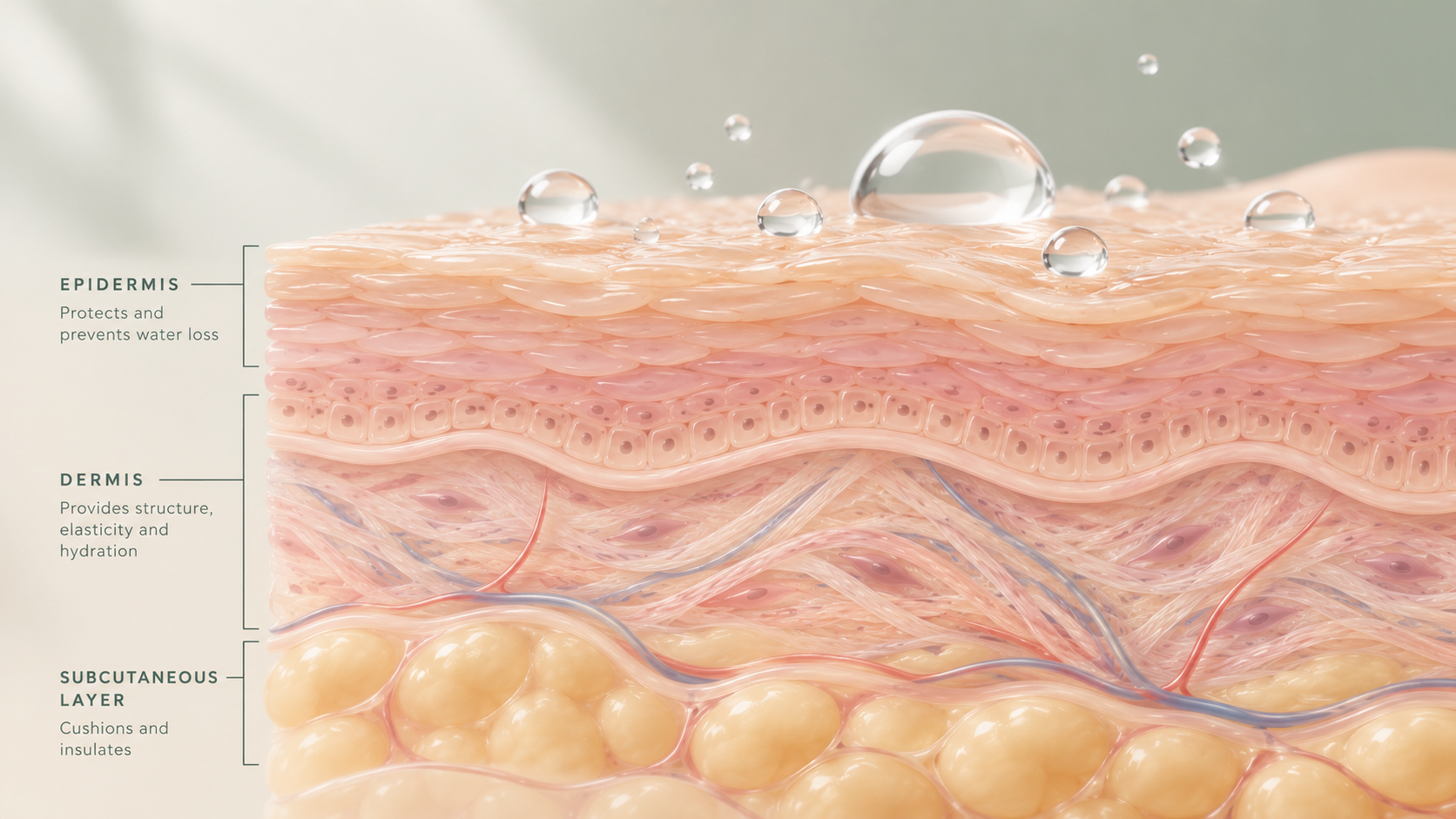
A skin booster is an injectable treatment that improves the quality of the skin rather than its shape. The product goes into the skin itself rather than underneath it, and the aim is better hydration, texture and firmness.
They are given as a course of small injections across an area, rather than placed at specific points to create structure. Most are hyaluronic acid based, though as you will see below, not all of them are.
Are skin boosters the same as fillers?
No, and this is the single most common misunderstanding.
Fillers add volume and change shape. They are placed deeper, in specific positions, to restore or create structure. Cheeks, lips, jawline.
Skin boosters do not add volume. They work on the skin itself. The change is in how your skin looks and feels, not in your facial contours.
This matters because it determines whether a booster is the right treatment at all. If what is bothering you is volume loss or a change in facial structure, a skin booster will not fix it, and a good practitioner will tell you so rather than selling you a course of something that cannot do the job.
The four types of skin booster
1. Hyaluronic acid hydrators
Examples: Profhilo, SkinVive, Restylane Vital
Hyaluronic acid placed into the skin rather than under it. Hyaluronic acid holds many times its own weight in water, so the immediate effect is hydration. The better known products in this group also stimulate the skin to produce more of its own collagen and elastin over the following weeks.
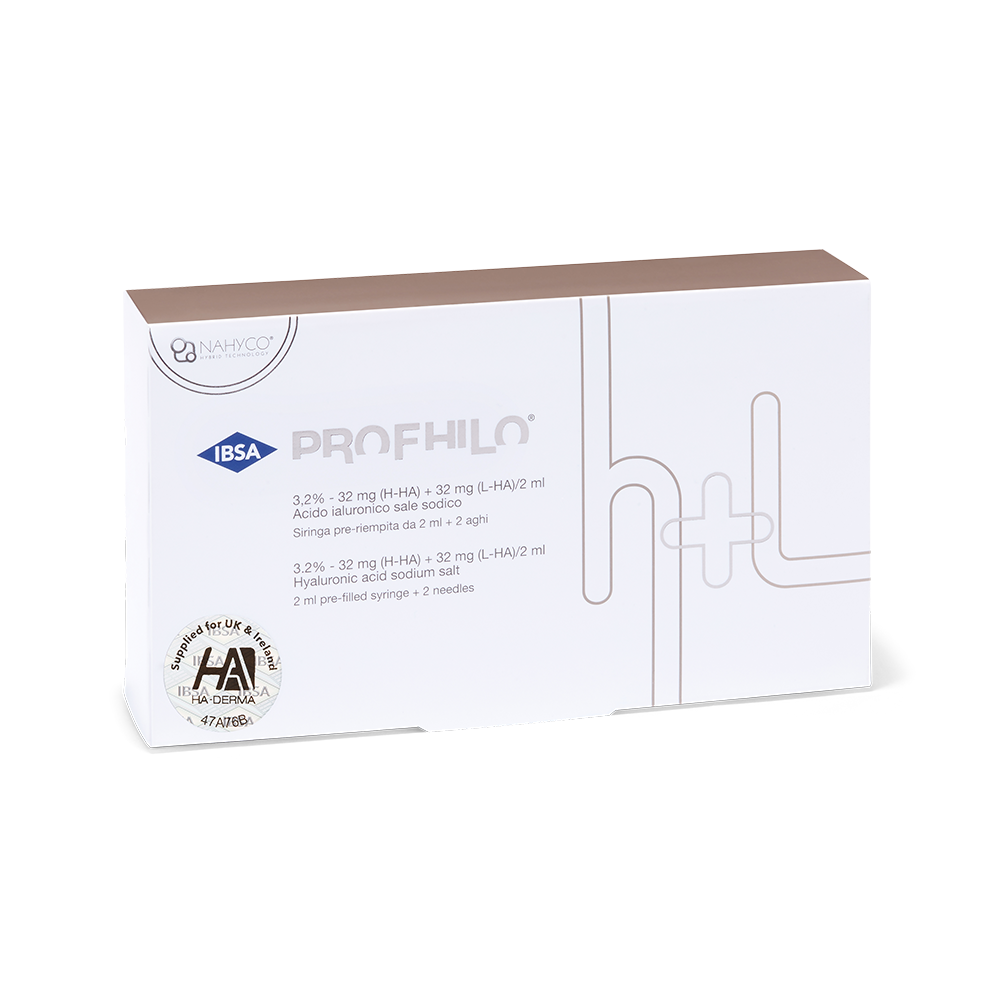
Profhilo is the one most people have heard of. It uses a high concentration of non-crosslinked hyaluronic acid that spreads through the tissue rather than staying where it is placed, which is why it is usually given at a small number of specific points.
Best suited to: dull, dehydrated or crepey skin, and early laxity where the skin is still in good condition.
Typical course: one or two sessions, around four weeks apart.
2. Hyaluronic acid with amino acids
Examples: Sunekos, Jalupro
The same hydration as the group above, combined with amino acids. Amino acids are the building blocks your skin uses to make collagen and elastin, so the idea is to supply both the water-holding element and the raw material for the skin to rebuild.
Best suited to: thin or crepey skin, particularly in the areas that are harder to treat. Under the eyes, the neck, the backs of the hands.
Typical course: three or four sessions, a week or two apart.
3. Polynucleotides
Examples: Plinest, Nucleofill, Ameela
These are the treatments people have seen described as salmon DNA. Polynucleotides are purified DNA fragments that work by signalling to fibroblasts, the cells that build collagen, while also calming inflammation in the skin.
The mechanism is genuinely different from the hyaluronic acid groups. Rather than hydrating, they are trying to change how the skin behaves.
Best suited to: sun damaged or reactive skin, acne scarring, and under eye shadowing. Often chosen for people who have tried hyaluronic acid boosters and plateaued.
Typical course: three or four sessions, two to four weeks apart.
4. Collagen stimulators
Examples: poly-L-lactic acid, hyperdilute Radiesse, Juvelook
Strictly these sit just outside the skin booster category, but they come up in the same conversations so they are worth including. Rather than hydrating, they prompt the skin to lay down new collagen over a period of months.
Results build slowly and tend to last longer than the hydration-led options. They also cannot be dissolved in the way hyaluronic acid can, which is worth knowing before you start.
Best suited to: more established laxity, where hydration alone will not achieve much.
Typical course: two or three sessions, around a month apart.
Profhilo vs polynucleotides: which is better?
This is the comparison people search for most, and the honest answer is that they are not competing for the same job.
Profhilo is a hydration and remodelling treatment for skin that is fundamentally healthy but dry, dull or starting to lose firmness. Polynucleotides are a repair treatment for skin that is damaged, inflamed or scarred.
If your skin is in reasonable condition and looks tired, Profhilo is the more likely answer. If your skin is reactive, sun damaged or scarred, polynucleotides are the more likely answer. Some people are offered both in sequence, which costs more and takes more appointments, so it should be a considered decision rather than a default.
How honest is the evidence?
It is not equal across the four groups, and it is worth knowing which is which.
Hyaluronic acid boosters have been studied for years and the research behind them is reasonably solid. Polynucleotides are newer. Early results are promising and a lot of people are very happy with them, but the studies are smaller and the long term picture is still being built.
That is not a reason to avoid them. It is a reason to be wary of anyone presenting them as a miracle, and to treat the session counts and durations quoted online, including the ones in this article, as typical ranges rather than promises. What you actually need depends on your skin.
What skin boosters will not do
Worth being clear about, because managing expectations is most of the job:
- They will not replace lost volume or change your facial structure
- They will not remove deep static lines
- They will not lift significant laxity
- They are not permanent, and most need repeating every six to twelve months
- They will not fix a poor skincare routine, and in some cases better daily skincare is the more useful place to start
How do I choose the right one?
You mostly cannot, from the outside, and that is not a failure on your part. The categories above will tell you roughly which conversation you are having, but matching a product to your skin needs someone to actually look at it.
What a good consultation should include:
- An assessment of your skin before any product is named
- An honest view on whether a booster is the right answer at all
- A realistic account of what it would do, and what it would not
- No pressure to book on the day
If a clinic quotes you for a named product before anyone has examined your skin, that is a reasonable thing to be cautious about. Choosing the product first and fitting your skin to it afterwards is doing it backwards.
Frequently asked questions
What is the difference between a skin booster and a filler? Fillers add volume and change facial shape. Skin boosters improve the quality of the skin itself, which means hydration, texture and firmness. A booster will not restore lost volume.
Which skin booster is best? There is no single best one. Hyaluronic acid boosters suit dehydrated or dull skin, hyaluronic acid with amino acids suits thin or crepey areas, polynucleotides suit damaged or inflamed skin, and collagen stimulators suit more established laxity. The right choice depends on an assessment of your skin.
How long do skin boosters last? Typically six to twelve months depending on the product and the person. Collagen stimulators tend to last longest. These are typical ranges rather than guarantees.
How many sessions will I need? Usually between one and four, spaced one to four weeks apart depending on the product. Hyaluronic acid hydrators tend to need the fewest, polynucleotides and amino acid treatments the most.
Is Profhilo or polynucleotide better? They do different jobs. Profhilo is a hydration and remodelling treatment for healthy but tired skin. Polynucleotides are a repair treatment for damaged, inflamed or scarred skin.
Do skin boosters hurt? They involve a series of small injections, so there is some discomfort. Most people describe it as manageable. Expect small bumps at the injection sites that settle within a day or two, and occasional bruising.
Can skin boosters be dissolved? Hyaluronic acid based boosters can be dissolved with hyaluronidase. Polynucleotides and collagen stimulators cannot, which is worth knowing before you start.